
Save the Wet Carpet or Replace It? Run Three Tests.
The clock, the source, and the pad. Fifteen minutes of checking beats a decision made by looking at the floor, in either direction.
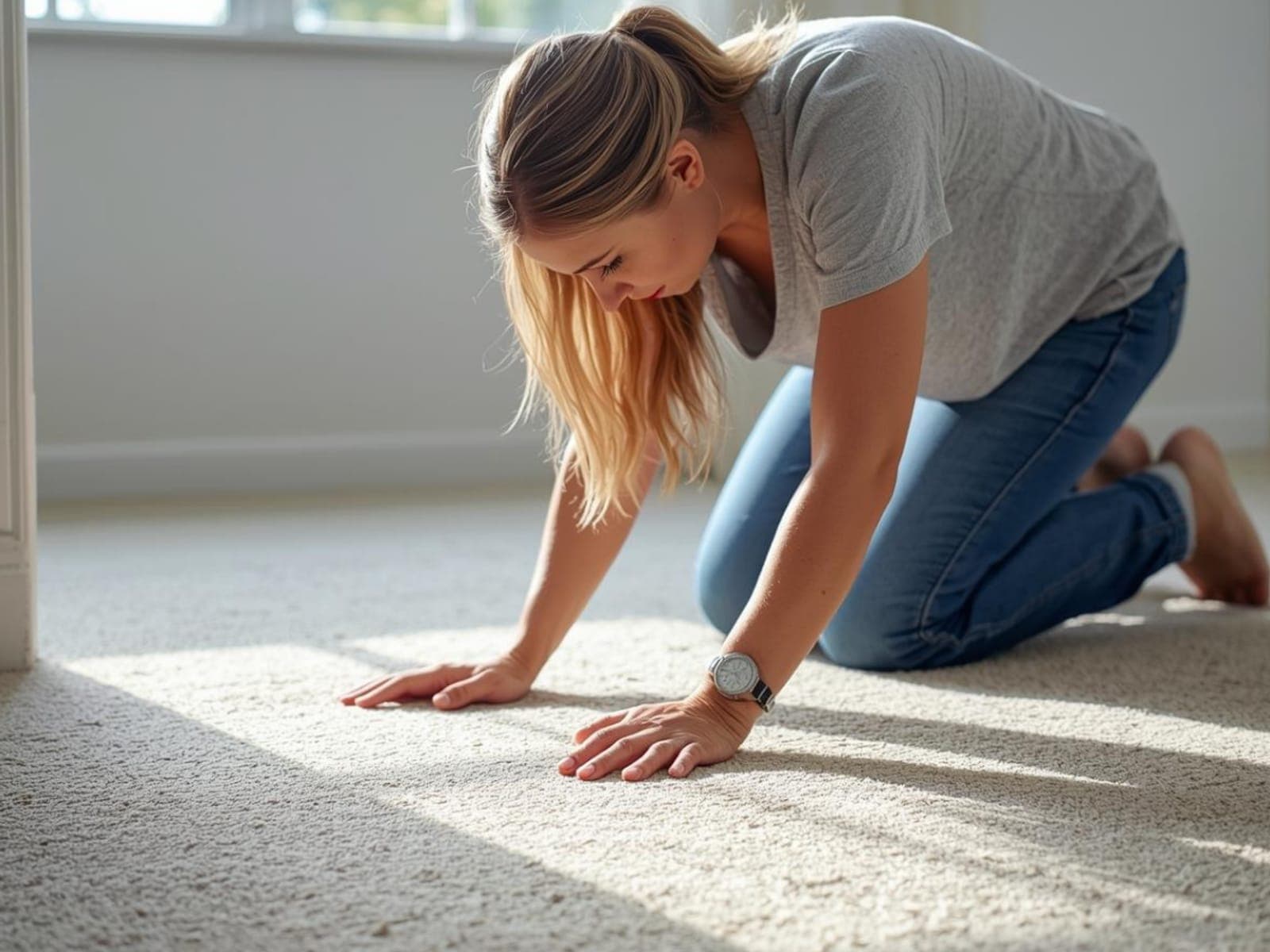
Whether wet carpet can be saved is not a matter of opinion, and it is not something a contractor should get to decide for you. Three checks, maybe fifteen minutes, and the floor will tell you itself. Before you run them, know where we stand: we dry, clean, and sanitize carpet for a living, and we do not sell, install, or replace carpet or pad. Whichever way your tests come out, we make the same nothing on the replacement, so the tests below are written to be right, not to book jobs.
Deciding by eye fails in both directions
The first way to get this wrong is the panic toss. You are standing in an inch of water, the whole room looks destroyed, and by that afternoon the carpet is at the curb. But clean water caught the same day, on synthetic carpet, is one of the most recoverable situations in this trade. Carpet is built to be washed; getting wet is not what kills it. Plenty of curbside carpet was a same-day extraction away from another decade of service, and the replacement bill for a full room is the most expensive way to process a stressful morning.
The second way is the wishful keep. The water dried on its own over a week or two, the carpet looks normal from standing height, so it stays. Underneath, the pad has already failed and the latex in the backing spent days soaking, and the room will spend the next year smelling like the decision. Both mistakes come from the same place: judging a three-layer floor by its top millimeter. The tests below check the layers the eye cannot.
What saturation does to carpet, and what it does to pad
Saturation treats the carpet and the pad as two different materials, because they are. The face fiber, usually nylon or polyester, is close to indestructible in clean water; it is plastic, and it gets deliberately soaked every time it is properly cleaned. The vulnerable part of a carpet is the latex adhesive bonding its two backing layers together. Hours of saturation do not bother it much. Days of saturation soften it until the layers begin to separate, which is called delamination, and it shows up as ripples that never stretch flat and seams that quietly let go. Delamination is structural and it does not reverse, which is why the clock question decides so much of the carpet's fate.
The pad has no such margin. It is open-cell foam, a sponge with a job title, and it absorbs many times its weight with no structure protecting it. Prolonged saturation breaks down the foam cells and the binders holding them together, so a pad that spends days underwater does not dry back into a pad. It dries into crumbs that smell like the event. This is why the clock test and the pad test usually agree with each other: they are measuring the same days from two directions.
Both answers, said out loud
When the tests say save, the job is the full sequence: same-day extraction that pulls the water out of the carpet and pad by machine, and a monitored dry-down that takes two days for most rooms, three for the stubborn ones, with the result read off a meter instead of guessed by hand. Then the part the water made necessary. Whatever it dissolved on its way through your floor is still sitting in the fiber, so once the carpet reads dry it goes through the same carbonated, detergent-free cleaning Safe-Dry sells on its own, which strips that residue out without re-wetting anything, and the area the water claimed gets sanitized. Pricing is one figure, set after the crew maps the moisture with meters so it covers the real wet footprint, not the smaller one the eye finds, and you see the full number before anything starts.
When the tests say replace, we say the word and we step back, because replacement is not our service and never will be: no pad, no carpet, no installation. That recommendation costs us the job every time we make it, which is precisely why you can trust it. There is also a common middle verdict: pad done, carpet fine. A flooring installer can put new pad under your existing carpet, and the drying, cleaning, and sanitizing of that carpet is ours. The first visit ends with you knowing plainly which of the three answers you have.
We walk through the full extract-dry-clean-sanitize sequence on our how water extraction works page, and every job is backed by our 100% satisfaction guarantee.
What to do before the crew arrives
The first minutes belong to you, and they matter. Here is the honest version of what actually helps, and the point where waiting for equipment beats improvising.
- 1
Test one: the clock
Count the hours between the water arriving and the water being dealt with, honestly. Under a day, with extraction started: good odds for the carpet and a fighting chance for the pad. Two days at saturation is the boundary where things start going wrong faster than they can be dried. Multiple days: assume the pad is gone, and the carpet's own backing may be too. If you cannot pin down when the leak started, use the last time you knew the floor was dry, and expect the answer to be worse than you hoped.
- 2
Test two: the source
Trace the water back. A burst supply line, a water heater, a washing machine, a tub that ran over: that is clean water, and clean water puts the carpet in the saveable category. A toilet backup, sewage, or water that came in from outside is contaminated, and contaminated carpet is a replacement item no matter how it looks or how fast you caught it. That situation also calls for a full-scale restoration contractor, which is a different trade from ours, and we will say exactly that if you call us with it.
- 3
Test three: the pad
Press down hard on the carpet in the middle of the wet zone. If water wells up around your fingers a day or more after the event, the pad is still saturated and the clock from test one is still running. Then find a corner or a closet edge, grip the carpet with pliers, and peel back a few inches for a direct look. Pad that is intact and merely damp can be dried. Pad that tears apart, crumbles, or hits you with a sour smell is finished. We do not sell or install pad, so we have no reason to shade this reading in either direction: what you see is the answer.
Frequently asked questions
How long can carpet stay wet before it can't be saved?
With clean water and real extraction inside the first day, the odds are good. Around the two-day mark the pad is usually past saving and the carpet's latex backing starts to follow. Past that, water that has been standing for days is generally outside our lane entirely and closer to a restoration contractor's job. The clock is the single strongest predictor, which is why it is test one.
If the tests say replace, will you handle the replacement?
No. We do not sell carpet or pad and we do not install either one, so when replacement is the right answer we say it at the walkthrough and step aside. It is the least profitable sentence in our script and we use it anyway, because drying a floor that should be replaced only sells you time and a smell.
Can the carpet be saved if the pad is ruined?
Often, yes, and it is one of the most common verdicts. The pad fails days before a synthetic carpet does. In that case a flooring installer replaces the pad under your existing carpet, and we handle what is ours: extracting, drying, cleaning, and sanitizing the carpet itself. You keep the carpet you chose and skip most of the replacement bill.
What does the drying option cost compared to replacing?
Replacing a room of carpet and pad runs to four figures once installation is in. Drying, cleaning, and sanitizing the carpet you own costs a fraction of that, and the exact figure gets set on site once the wet area is mapped; it does not move afterward. If the visit shows the floor is not worth drying, you get that conclusion for free instead of a quote.
Related water problems we handle
Wet carpet pad
The pad decides whether wet carpet is a save or a loss, and we tell you which one you have at the walkthrough.
Extraction & DryingWet carpet drying
Fans dry the pile and call it done. We dry the pad, the backing, and the floor under both.
Carpet Water DamageFlooded basement carpet
Clean-water basement floods, dried against every disadvantage a below-grade room can offer.
Every hour it sits, it soaks deeper
Enter your zip code to reach your local Safe-Dry® team. Water extraction and drying for floors and carpet across 532 locations in 6 states, with same-day response in most areas.