
The Wet Carpet Pad Problem
Nobody has ever admired their carpet pad, and nobody has ever lost a carpet without it. Whether a water-damaged carpet is a save or a loss usually gets decided in this one hidden layer.
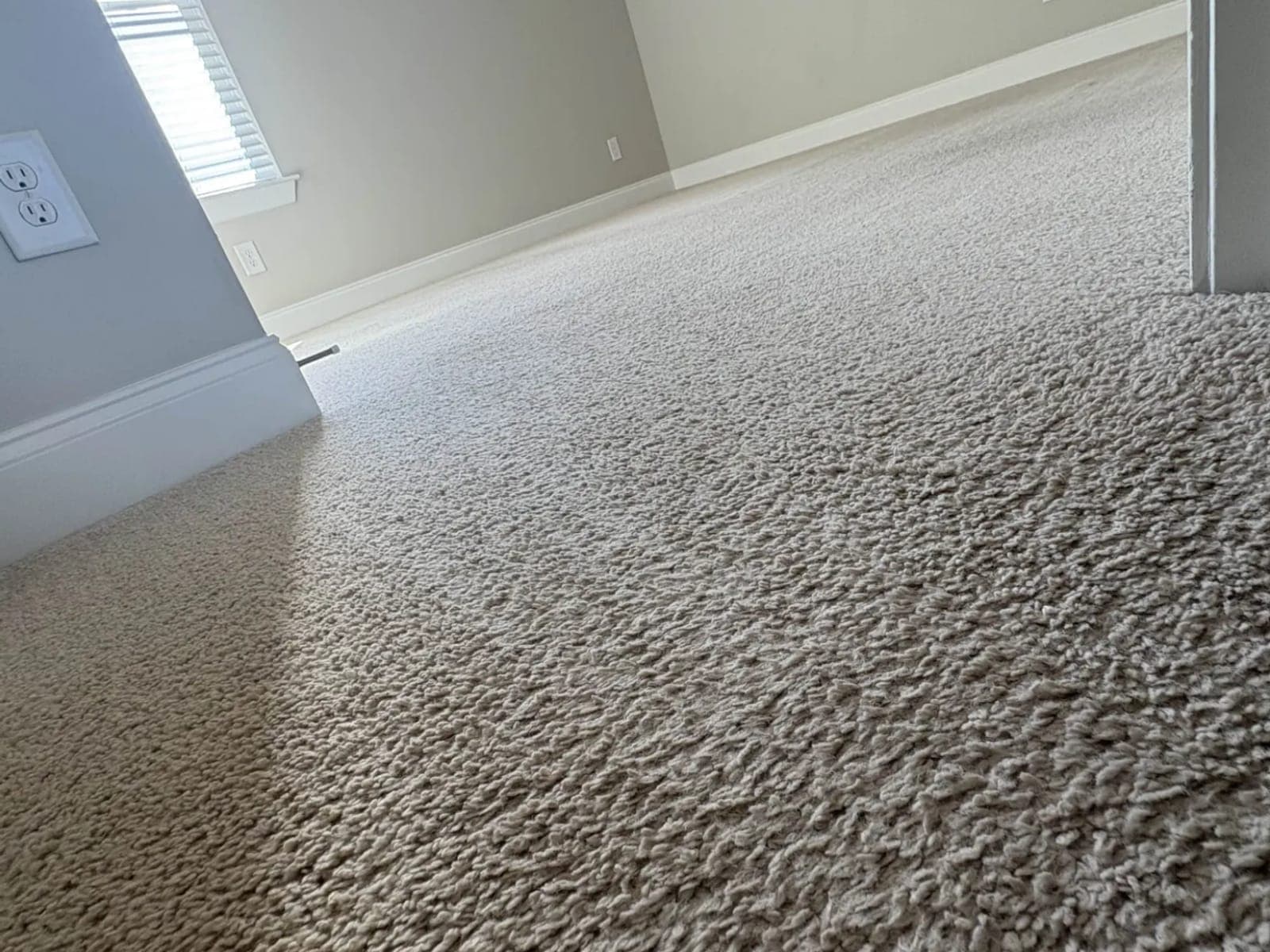
The pad does not care how the carpet feels
Every DIY drying method works from the top down, and the pad is protected from the top. Fans, towels, dehumidifiers running in the room, even a rented extractor on a light pass: all of it has to reach the pad through the carpet backing, and the backing is a laminated layer that resists airflow by construction. So the pile dries, the room smells fine for a few days, and the pad sits underneath at close to full saturation, quietly re-wetting the backing above it and feeding the subfloor below it. The most common version of a lost carpet is not a dramatic flood. It is a modest spill and a pad that nobody knew was wet.
A sponge parked between two vapor barriers
Carpet pad, usually rebond foam, is engineered to be a cushion, which means open cells, which means a sponge. A section of pad can hold several times its own weight in water without looking any different from above. Where a hardwood board announces water damage by cupping, pad just accepts the load and waits. It is the largest water reservoir in the whole floor assembly and the only layer with no visible symptoms.
Its position makes it worse. Most pad carries a plastic film on its face, and above that sits the carpet's latex-laminated backing: two layers that slow vapor movement stacked on top of the wettest material in the room. Below is subfloor or slab, which does not breathe either. Water that gets into pad is effectively in a sealed envelope, and evaporation through that envelope is so slow that an untreated pad can stay damp for weeks while everything above it feels dry.
This is why the save-or-lose question lives in the pad. Pile almost always cleans up after clean water. Backing usually survives if the assembly dries fast. The pad is the layer that holds the water long enough to break the other two: a damp pad keeps the latex wet until it delaminates, keeps the subfloor drinking, and hosts the microbial activity that becomes the musty smell. Read the pad correctly and you have read the whole floor.
Save the pad where the pad can be saved
The first visit starts with measurement, because pad condition cannot be judged from above by eye or hand. Moisture readings through the assembly, room by room, tell us where the pad took water, how much, and for how long it has likely held it. That map sets the price, which does not move afterward, and it is also where the honest conversation happens, before equipment comes off the truck.
Where the pad is saveable, and a pad that took clean water hours ago usually is, extraction does the heavy lifting: slow, weighted passes that give the vacuum time to pull water up out of the foam, through the backing, through the pile. Then air movement and dehumidification finish the job, usually a day or two and occasionally a third, with airflow worked through the assembly so the drying reaches the layer that needs it, and meter checks against dry reference pad before anything gets called done.
And where it is not saveable, you hear it straight. A pad that has been saturated for days is a replacement item: the foam breaks down, holds odor, and no longer earns its place under the carpet. We do not sell or install pad, so there is no upsell hiding in the recommendation. What we can do in that case is everything else: extract, dry the carpet and subfloor, then, once the carpet reads dry, give it the same soap-free carbonated clean Safe-Dry is known for, kept low on moisture so the drying holds, and sanitize the affected floor before we go. The carpet ends up clean, dry, and ready to relay the day your flooring installer brings new pad.
We walk through the full extract-dry-clean-sanitize sequence on our how water extraction works page, and every job is backed by our 100% satisfaction guarantee.
What to do before the crew arrives
The first minutes belong to you, and they matter. Here is the honest version of what actually helps, and the point where waiting for equipment beats improvising.
- 1
The press test
Lay a white paper towel on the carpet where the water was, put a flat weight on it, and wait fifteen minutes. If the towel picks up moisture, the water is coming from below, and below means pad. A dry towel is encouraging but not a verdict, so run the other two checks.
- 2
The corner peel
At the nearest corner or closet edge, grip the carpet with pliers and peel it gently off the tack strip, just enough to see under it. Wet pad is obvious: darker, heavier, and it weeps if pressed. Lay the carpet back down after. Do not pull further into the room, because wet backing tears easily.
- 3
The smell check
Kneel and smell the carpet directly over the wet area, then over a dry area for comparison. A sweetish, earthy, damp-cardboard note over the spill zone means the pad is wet and microbial activity has started its clock. Your nose finds damp pad earlier than your hand ever will.
Frequently asked questions
Can a wet carpet pad be dried instead of replaced?
Yes, when the water was clean and the response was fast. Extraction pulls most of the load out of the foam and directed airflow with dehumidification finishes it over a couple of days of equipment time. The honest boundary is time: a pad soaked for hours is a drying job, a pad soaked for days is usually past it.
Do you replace carpet pad?
No. Our four verbs are extract, dry, clean, and sanitize, and installing things is not one of them. When your pad is a replacement item you will hear exactly that at the first look, we will prep everything around it, and the pad itself comes from a flooring installer. The advice is worth more because nothing is for sale behind it.
What happens if a wet pad is just left alone?
It works through its schedule. The damp foam keeps the carpet backing wet until the latex starts letting go, feeds moisture into the subfloor, and grows the microbial activity that shows up as a musty smell a week or two later. Every bad outcome a wet carpet can have runs through a pad that stayed wet.
The spill seemed small. Could the pad really be wet?
If it was more than a glass of water, assume yes until a test says otherwise. Carpet pile wicks liquid down and outward before your towel arrives, and pad absorbs whatever reaches it. The three checks above take twenty minutes and settle the question. Guessing tends to settle it two weeks later, by smell.
Related water problems we handle
Carpet water damage
The layer-by-layer story of what water does to carpet, and the clock each layer runs on.
Extraction & DryingSave or replace?
Three tests, run before anyone quotes anything, tell you whether the carpet is a drying job or a replacement.
Carpet Water DamageMusty smell after water
That musty smell is unfinished drying, and it comes out of the pad and backing, not the pile.
Every hour it sits, it soaks deeper
Enter your zip code to reach your local Safe-Dry® team. Water extraction and drying for floors and carpet across 532 locations in 6 states, with same-day response in most areas.