
Water Extraction, While It Still Matters
The puddle is the easy part. Extraction is about the water that already left the surface, and the clock it runs on.
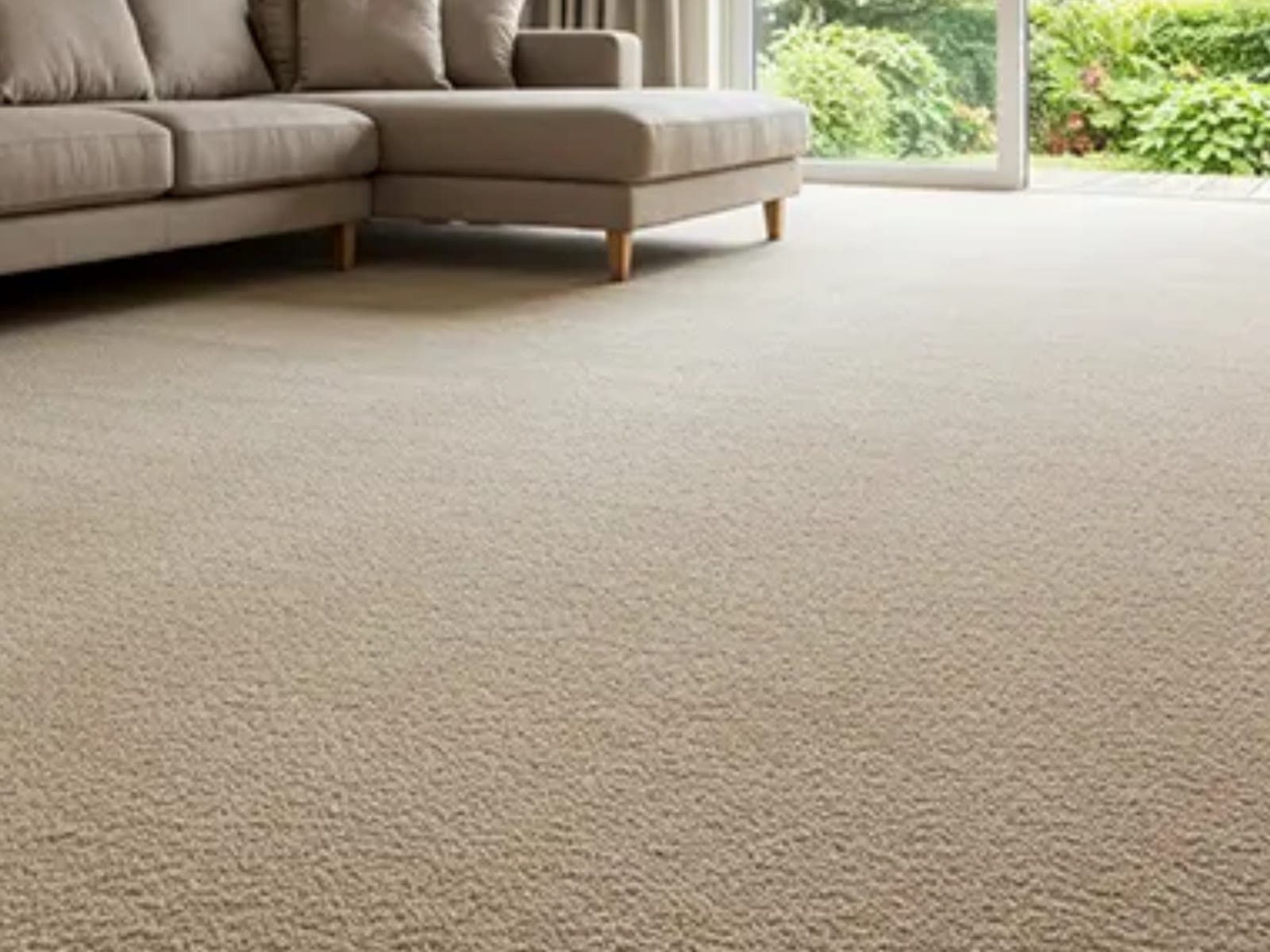
Water extraction is the one home service where the schedule matters more than almost anything else. The same spill costs a few hours of drying if a crew gets to it today, and a floor if nobody does. This page is about that window: what extraction actually removes, what the machines you can rent don't reach, and what happens after the water is out.
The shop-vac gets a gallon. The floor took twenty.
A wet-dry vacuum is a genuinely useful tool, and if the spill is a knocked-over mop bucket on sheet vinyl, it may be all you need. The trouble starts when the water has had minutes instead of seconds. A rented or garage-shelf shop-vac pulls from the surface, and the surface is the one place water refuses to stay. What soaked into carpet pad, wicked up drywall, or slipped under the baseboards is beyond the reach of any consumer machine, and it is most of the water.
Towels and fans are the other reflex, and they fail in a sneakier way: they dry the layer you can touch. Carpet pile dries fast and feels fine by evening, so the fans get put away. The pad underneath is still at full saturation, pressed between wet carpet backing and a floor that cannot breathe. Everything after that point, the smell, the delamination, the stained subfloor, happens under a carpet that feels dry.
Every gallon that leaves by machine is a gallon the room does not have to evaporate.
Where standing water goes while you wait
Standing water is on a schedule. In the first hour it moves down and sideways: through carpet backing into pad, across the subfloor along the low spots, under walls into the next room. This is why the wet area you can see is almost never the wet area you have. Water follows the structure, and the structure hides it.
By the first day, absorption turns into saturation. Wood begins to swell, and swollen wood moves: hardwood cups, particleboard blooms, baseboards push off the wall. None of that is instant, which is exactly the trap. The floor at hour six often looks like the floor at hour one, while the material underneath crosses lines it cannot cross back.
Past the second day, biology joins in. Damp, dark, and still is a growth recipe, and a slow-dried room announces it later with a musty smell that no air freshener touches. This is also roughly the boundary of our lane: water that has been standing for days, or water that came from a dirty source, needs a full-scale restoration contractor, and we will tell you that on the phone instead of selling you the wrong service.
Out, dry, clean, sanitized. In that order.
Extraction comes first and it is quantitative work. High-volume extraction pulls standing water off the surface, then repeated slow passes pull it up out of carpet and pad, where most of a spill actually lives. The difference between a quick pass and a real extraction is measured in gallons. Whatever the machine takes, the air does not have to.
Then the dry-down. Air movers keep wet surfaces coupled to moving air, dehumidification keeps that air worth moving, and the two together take a room to dry in one to three days instead of the week or more it would take on its own. Dry is checked, not assumed: a floor gets called done when it reads like the dry material two rooms away, not when it feels fine to a hand.
Water leaves a residue of whatever it picked up along the way, so the last step is the part most extraction-only outfits skip. Once the carpet reads dry, we lift out the film the water left in it, using the carbonated cleaning Safe-Dry does every day, soap-free and nearly moisture-free, then clean the hard flooring and finish with a sanitizing pass over the footprint the water actually covered. You get back a floor that is dry and actually clean, not a floor that merely stopped being wet.
We walk through the full extract-dry-clean-sanitize sequence on our how water extraction works page, and every job is backed by our 100% satisfaction guarantee.
What to do before the crew arrives
The first minutes belong to you, and they matter. Here is the honest version of what actually helps, and the point where waiting for equipment beats improvising.
- 1
Stop the water at its source
Supply valve behind the toilet or washer, or the main shutoff if you cannot find the local one. Extraction is pointless while the pipe is still winning. If you cannot make it stop, a plumber is the first call and we are the second.
- 2
Kill power to the wet area if outlets are involved
Water reaching outlets, power strips, or floor-level cords is a breaker-panel decision, not a judgment call. Flip the circuit before you walk through the room.
- 3
Move what the water is eating
Furniture legs out of the wet zone or up on foil or blocks, rugs off wet carpet or hard floors, boxes off the floor. Wood furniture and rug dyes both stain wet carpet in a few hours, and those stains survive the dry-down.
- 4
Pull what you can, then stop
Towels on the puddle, and the shop-vac if you own one, are worth the first few minutes. What they recover is real. Just do not let a dry-feeling surface talk you out of the call, because the pad under it did not get the memo.
Frequently asked questions
How fast can someone actually get here?
Same-day is the standard, and the finder on this site routes you to the nearest of 532 Safe-Dry locations so the drive is short. On the phone, describe the source and how long the water has been down. That determines what the crew loads before they leave.
Do you handle sewage backups or outdoor flooding?
No. Contaminated water, sewage, storm flooding, and groundwater are Category 3 work that requires a full-scale restoration contractor, and pretending otherwise would be doing you harm. We handle clean-water events: burst supply lines, water heaters, appliance failures, tub and sink overflows.
Will extraction save my carpet pad?
Sometimes. A pad that took water hours ago and gets real extraction has a chance. A pad that has been saturated for days usually needs to come out, and replacing pad is not on our truck, so when the crew maps the room and the pad is done, we tell you on the spot instead of charging to dry something that needs to come out.
What does this cost?
Nobody can price a room over the phone, so we do not try. The crew meters the real wet area on the first visit, including the parts that feel dry, and hands you one fixed number before a single machine turns on.
Related water problems we handle
Wet carpet drying
Fans dry the pile and call it done. We dry the pad, the backing, and the floor under both.
Carpet Water DamageCarpet water damage
The layer-by-layer story of what water does to carpet, and the clock each layer runs on.
Where the Water Came FromBurst pipes
A pressurized line runs full-bore until someone closes a valve, and the water surfaces rooms away from the break. We handle everything it touched on the way down.
Every hour it sits, it soaks deeper
Enter your zip code to reach your local Safe-Dry® team. Water extraction and drying for floors and carpet across 532 locations in 6 states, with same-day response in most areas.