
A Water Heater Fails Twice: Slowly, Then All at Once
A rusty trickle for weeks, then forty gallons on the floor, with the supply line refilling the tank as fast as it drains. Close the valve, then call.
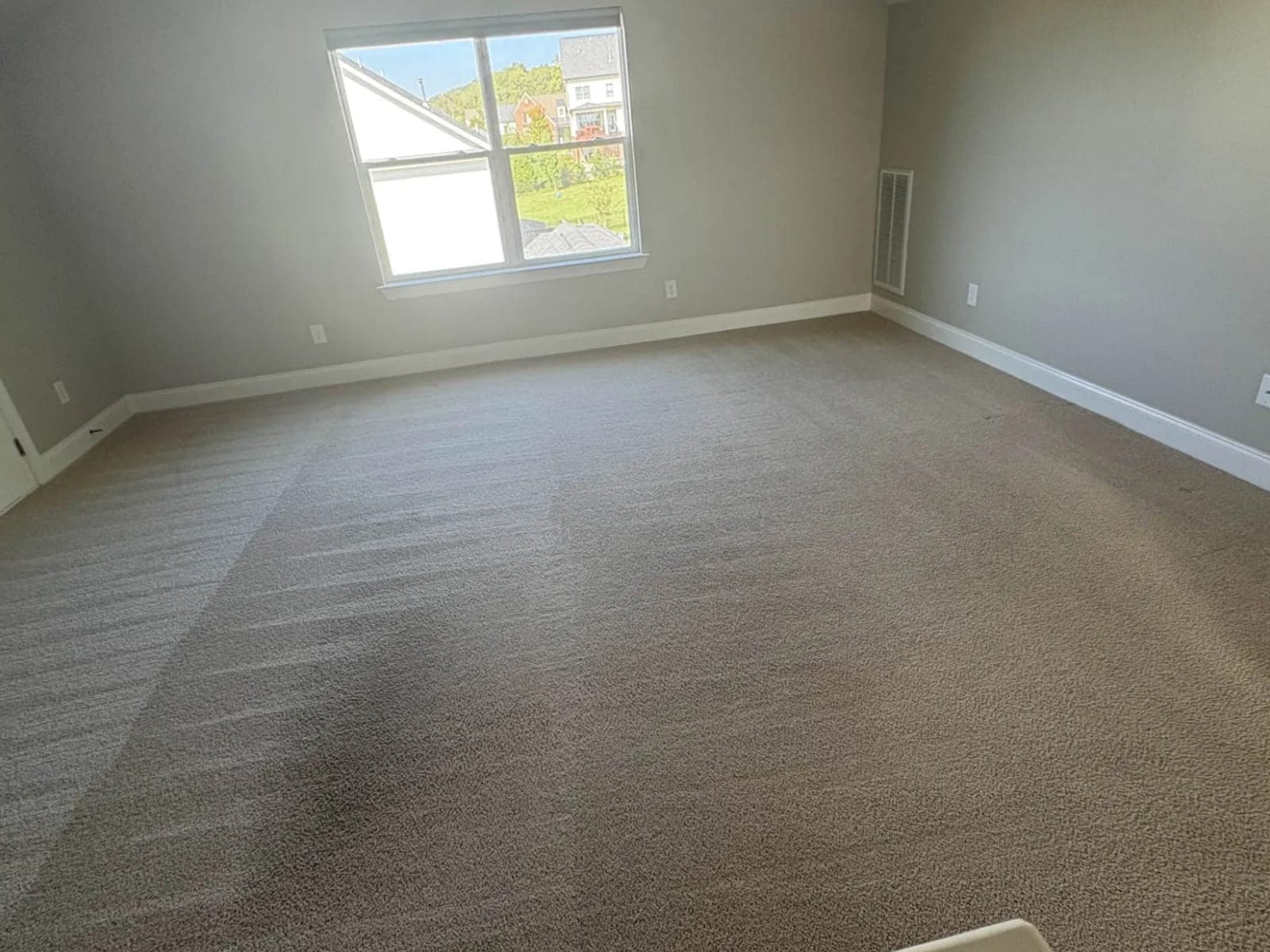
Forty gallons do not fit in a towel
The mop-and-towel response fails here for a reason specific to water heaters: the tank is plumbed to refill itself. Until the cold-water valve is closed, you are not cleaning up a spill, you are bailing against an open supply line, and the line has more patience than you do. Even after the water is off, the towels address the room you are standing in, and by the time most tank failures are discovered, the utility room or garage has already passed its water to the carpeted rooms next door. Concrete and vinyl shed; carpet at the doorway receives. The floor that needs the work is usually not the one under the tank.
How a closet leak ends up in the hallway carpet
Tanks rust from the inside out, so the failure runs in two acts. Act one is a weep at a fitting or a seam, a trickle small enough to evaporate partly and to go unnoticed entirely, because nobody in the history of homeownership has made a habit of looking behind the water heater. Act two is the tank wall or a connection letting go, which puts the tank's entire contents on the floor and invites the supply line to keep the performance running.
Where the tank lives decides where the water goes. Closets, garages, and utility rooms sit on concrete or hard flooring with a slight pitch, and the water follows that pitch to the doorway. At the threshold it meets carpet, and carpet wicks. A carpeted bedroom or hallway can pull water yards past the door through the pad alone, so the utility room that shrugged off the flood hands the real damage to the room beside it.
The slow act one did quiet work of its own. Weeks of low-level moisture soak the slab edge, the bottom plate of the adjacent wall, and the platform the tank sits on, which is why so many water heater calls come with a musty smell already installed. The dry-down has to answer both timelines: the sudden dump from the failure and the long shallow soak that preceded it.
The plumber drains the tank. We drain the room.
The job starts with a moisture map, because the doorway wick is invisible from above. We meter the utility room, the threshold, and every carpeted room the pitch could have fed, then extract accordingly: standing water off the hard floor, slow deep passes on the carpet and pad that received it.
Air movers and dehumidification carry the dry-down from there, two days for most rooms and a third when the pad drank deep, with the finish line set by meter readings against dry material elsewhere in the house. The wall base and tank platform get checked too, since the slow phase of the leak had weeks of head start on them.
The finish waits on the meters, then goes step by step: carpet cleaned first, carbonated and soap-free with almost no added moisture, then sanitizer over the area the leak touched, a step that matters more than usual here because of that long damp prelude. The tank itself, its valves, and its replacement are plumbing, and we do not touch them. Your plumber handles the appliance; we hand back the floors.
We walk through the full extract-dry-clean-sanitize sequence on our how water extraction works page, and every job is backed by our 100% satisfaction guarantee.
What to do before the crew arrives
The first minutes belong to you, and they matter. Here is the honest version of what actually helps, and the point where waiting for equipment beats improvising.
- 1
Close the cold-water valve on top of the tank
It is the valve on the line feeding the tank, usually right on top. This stops the refill cycle, which is the part that actually matters. If it is seized or you cannot find it, close the main shutoff for the house instead.
- 2
Cut power or gas to the unit
Flip the breaker on an electric tank or turn the gas control to off. A heating element running in a draining tank is a hazard, and this is a switch-flip, not a repair.
- 3
Slow the water at the doorway
Rolled towels across the threshold buy time against the wick into carpet, and moving stored boxes and anything cardboard off the floor stops the water from climbing into your belongings while you wait.
Frequently asked questions
Do you repair or replace the water heater?
No. The tank is a plumber's job, start to finish, and you will want one regardless of who dries the floor. Our work begins where the water landed: extraction, dry-down, cleaning, and sanitizing for the floors and carpet it reached.
The tank was apparently leaking for weeks before it let go. Does that change anything?
It can, and we would rather tell you now. A pad or subfloor that has been damp for weeks may be past the point where drying is the honest answer, and anything growing in that time belongs to a licensed mold remediation firm, a different trade entirely. The inspection sorts what drying can still save from what it cannot, and the number we give you covers only the savable part.
How long before the room is back in service?
Extraction happens same-day, and the dry-down that follows usually runs a couple of days, occasionally a third, verified by meter readings before the equipment leaves. All of it carries one number, locked in when we scope the job and unchanged afterward.
Related water problems we handle
Water extraction
Standing water out the same day, because the difference between hours and days is the difference between drying and replacing.
Carpet Water DamageMusty smell after water
That musty smell is unfinished drying, and it comes out of the pad and backing, not the pile.
Carpet Water DamageWet carpet pad
The pad decides whether wet carpet is a save or a loss, and we tell you which one you have at the walkthrough.
Every hour it sits, it soaks deeper
Enter your zip code to reach your local Safe-Dry® team. Water extraction and drying for floors and carpet across 532 locations in 6 states, with same-day response in most areas.